

 Current position > Product detail
『Inductive Flow Meter: Conductive Water Processing Electromagnetic Systems』Related information(clamp on meter|electromagnetic meter|venturi meterrotameter|orifice meter|ultrasonic flow meter|mass flow meter|coriolis mass flow meter|coriolis flow meter|magnetic flow meter|magmeter flow meter|magflow flow meter|mag meter flow meter|electromagnetic flow meter|vortex flow meter|turbine flow meter|thermal mass flow meter|thermal flow meter|rotameter flow meter)
Inductive Flow Meter: Conductive Water Processing Electromagnetic Systems
Quick Answer
An inductive flow meter is another name for an electromagnetic flow meter or magmeter. It is the default flow instrument for conductive water, wastewater, process water, brine and seawater. It has no moving parts, no pressure drop and stable measurement. This fits water processing lines well. To get a quote from Silver Instruments, send pipe size, flow range, pressure, temperature and water conductivity.
What an Inductive Flow Meter Measures in Water Processing
An inductive flow meter works on Faraday law of induction. The meter generates a magnetic field across the pipe. Conductive water passing through this field produces a voltage at two electrodes. The voltage is proportional to flow velocity. The transmitter converts this voltage into flow rate. This principle works well for tap water, river water, well water, wastewater, sludge, brine and many process liquids.
Conductivity is the key limit. Most standard electromagnetic flow meters need at least 5 µS/cm. Some models require 20 µS/cm. Tap water, groundwater and seawater are well above this level. Pure water, condensate and demineralized water may fall below 5 µS/cm. In that case a standard inductive flow meter will not read correctly. Tell Silver Instruments your conductivity value before ordering.
Key Specifications for Conductive Water Systems
Pipe size sets the first cost. Silver Instruments supplies electromagnetic flow meters from DN10 to DN2000. Water treatment plants use DN25, DN50, DN80, DN100, DN150 and DN200 most often. Flow velocity should be between 0.3 and 10 m/s. Below 0.3 m/s accuracy suffers. Above 10 m/s liner and electrodes wear faster. Most water lines run between 1 and 3 m/s.
Liner and electrode selection depends on water chemistry. For clean water and municipal wastewater, hard rubber liner and 316L electrodes are standard. For seawater, desalination brine or chemical dosing lines, choose PTFE or PFA liner with titanium or Hastelloy C electrodes. For mining slurry or abrasive solids, use polyurethane or ceramic liner and tungsten carbide electrodes. If you are not sure, send your water analysis data to Silver Instruments.
Pressure and temperature affect the final model. Standard flanged meters handle PN10, PN16 and PN40. For water below 60 °C a compact meter works fine. For water above 80 °C choose a remote transmitter. High temperature softens standard liners. PTFE liners handle higher temperatures and aggressive fluids.
Output options include 4-20 mA, pulse, RS485 Modbus and HART. For basic water flow monitoring use 4-20 mA plus pulse. For PLC or SCADA integration in Southeast Asia and the Middle East use RS485 Modbus. For asset management in larger plants HART is common.
Installation Advice for Electromagneti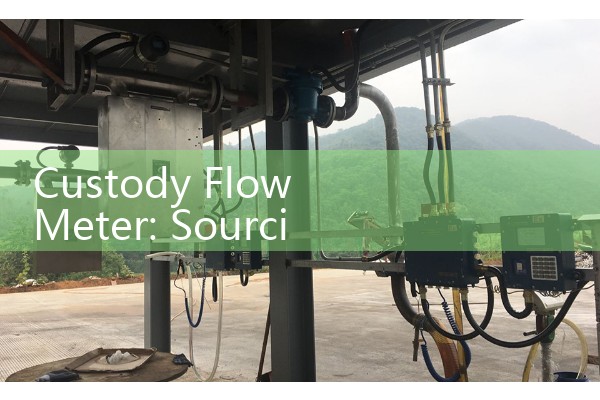
Install the meter in a pipe section that stays full at all times. A partially full pipe causes unstable readings. Avoid pump suction lines because air bubbles gather there. Horizontal runs are typical. Vertical pipes with upward flow also work. Allow straight pipe lengths of 5D upstream and 2D downstream for best accuracy. Many engineers skip grounding checks. Do not repeat that mistake. Metal pipes normally provide grounding. Plastic pipes and lined pipes need grounding rings or grounding electrodes.
Last year a customer in Vietnam ordered a DN80 inductive flow meter for a food processing water line. The water conductivity was 800 µS/cm. They chose a compact electromagnetic flow meter with hard rubber liner, 316L electrodes, PN16 flanges, 4-20 mA and RS485 Modbus. Delivery took 9 days. The meter has run without drift for 12 months. This is a typical order for water processing plants that buy from Silver Automation Instruments.
Price and Delivery
Price depends on diameter, liner, electrode material, pressure rating and output. A DN50 water meter with rubber liner and 316L electrodes is the most economical option. A DN200 seawater meter with PTFE liner and titanium electrodes costs more. Small sizes DN15 to DN40 are often in stock. Larger sizes ship in 7 to 15 days from our factory in China. Ocean freight to Southeast Asia, the Middle East and Latin America typically adds 10 to 25 days depending on destination.
Send us your pressure (bar), temperature (°C), pipe size (DN), flow range, water type and output signal. We will reply with a written quotation within one working day.
Silver Automation Instruments
Tel: +86-25-68650347
Whatsapp: +86-25-52155837
WeChat: +86 15365082610
FAQ
What is the minimum conductivity for an inductive flow meter?
Most standard models need at least 5 µS/cm. Some need 20 µS/cm. Check the model data sheet.
Can an inductive flow meter measure pure water?
Pure water and demineralized water below 5 µS/cm are not suitable for a standard electromagnetic flow meter. Tell us your conductivity value and we can recommend the right option.
Can an electromagnetic flow meter handle wastewater with solids?
Yes. It has no moving parts and a smooth liner. Rags, sand and grit pass through easily. Avoid a partially filled pipe.
What liner and electrode materials suit seawater?
Use PTFE or PFA liner with titanium or Hastelloy C electrodes. This combination resists corrosion and lasts longer in desalination plants.
What information does Silver Instruments need for a price quote?
Send pipe size (DN), flow range, pressure (bar), temperature (°C), water type, conductivity and output signal. We will recommend a model and provide a written quote.