

 Current position > Product detail
『4 Magnetic Flow Meter: Commercial Conductive Fluid Sizing Specifications』Related information(clamp on meter|electromagnetic meter|venturi meterrotameter|orifice meter|ultrasonic flow meter|mass flow meter|coriolis mass flow meter|coriolis flow meter|magnetic flow meter|magmeter flow meter|magflow flow meter|mag meter flow meter|electromagnetic flow meter|vortex flow meter|turbine flow meter|thermal mass flow meter|thermal flow meter|rotameter flow meter)
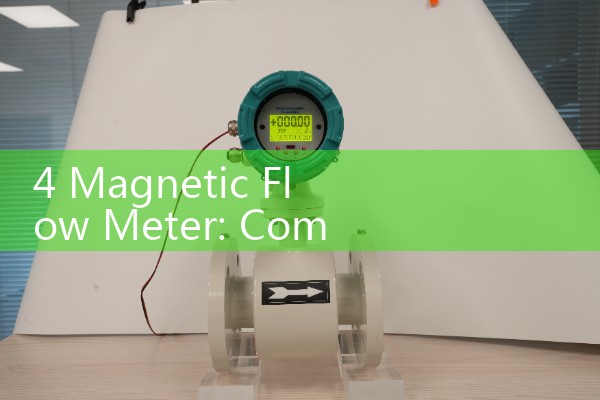
4 Magnetic Flow Meter: Commercial Conductive Fluid Sizing Specifications
Quick Answer: Silver Automation Instruments sizes electromagnetic flow meters based on actual line size, fluid conductivity, flow velocity, and process pressure/temperature. For most commercial conductive fluids above 5 µS/cm, you get the best accuracy and long liner life by staying between 0.5 and 10 m/s inside a DN15 to DN2000 sensor tube.
Why Lining the Flow Tube With Hard Rubber or PTFE Is Not Enough
Engineers often ask if they can just select a generic magmeter for all conductive liquids. In practice, the answer is no. A DN25 meter moving 2 m/s of 20 °C demineralized water is a totally different animal from a DN150 meter dosing hot caustic soda at 85 °C or a DN80 unit measuring abrasive mining slurry in Ghana. The sizing decision sits at the intersection of flow velocity, electrode material, liner type, and grounding setup.
Here is what we see on project sites from Melbourne to Manila. A plant buys a meter with the right line size but overlooks the velocity window. The 4-20 mA HART signal becomes noisy because the flow drops below 0.3 m/s at night. Or the PTFE liner buckles when vacuum forms during a pump trip. Or the Hastelloy C electrodes pit three months later because the pulp stock has hydrogen peroxide residue. These failures are avoidable with the right specification call.
Conductivity Thresholds That Actually Trip You Up
Magmeters need a conductive fluid to generate the induced voltage. The classic rule is 5 µS/cm minimum. But here is the thing. Demin water at 1 µS/cm may still read if you use a high-impedance preamplifier and keep the signal cable under 50 meters. Silver Instruments has shipped meters for ultrapure water polishing loops in a semiconductor plant in Penang, Malaysia. A DN40 model with polished stainless steel electrodes and a remote converter handled 0.8 µS/cm just fine because velocity was a steady 3 m/s.
On the other end, high conductivity liquids like 30 percent sulfuric acid at 200 mS/cm create electrode polarization noise. Switching from 316L to platinum-gold electrodes and adding a low-frequency DC excitation mode cleaned up the measurement. A battery recycler in Kenya ran their acid dilution process with our DN50 magmeter for two years without drift after we made that electrode change.
If you know your medium is glycol-water mix with conductivity below 2 µS/cm, do not assume a standard insertion magmeter will work. Check the converter input impedance. Anything under 10¹² ohm will struggle.
Flow Velocity, Pipe Size, and the 0.5 to 10 m/s Sweet Spot
Every magmeter brochure promises a range, but in commercial sizing you want the normal operating point between 1 and 5 m/s for a 0.5 percent accuracy band. Below 0.5 m/s, the signal-to-noise ratio falls fast. Above 10 m/s, you might still get a reading but the liner wear accelerates and the pressure drop becomes a real cost. We once checked a DN100 meter on a chilled water return line in a Jakarta mall. The velocity was 0.2 m/s at partial load. The building operator complained about inconsistent readings. An upstream pipe reducer to DN80 forced velocity to 0.9 m/s and solved the instability within a day, no need to replace the meter.
When you send us your sizing request, include the minimum, normal, and maximum flow rates in m³/h or L/min. Tell us the pipe schedule and material. A DN200 carbon steel pipe with a cement lining creates a different grounding arrangement than a bare stainless steel tube. We will recommend the right sensor diameter, which may not match the pipe DN exactly. Reducing from a DN300 pipe to a DN250 meter is common for custody transfer of raw water in desalination plants, where operators want a higher velocity to keep silt from settling on the electrodes.
Liner and Electrode Selection Based on Real Applications
Hard rubber liners work well for potable water, wastewater, and light slurries
For abrasive mining slurries, such as copper concentrate with 40 percent solids, soft rubber or polyurethane liners paired with tungsten carbide electrodes last far longer. A mine site in the Atacama region of Chile replaced a ceramic-lined meter with our DN150 polyurethane-lined magmeter and doubled its service life to 18 months.
Grounding and Installation That Mess Up the Signal
Most engineers skip this part during sizing and regret it later. A magmeter needs a good ground reference. If your pipe is electrically conductive and in direct contact with the fluid, two grounding rings may be enough. But a lined steel pipe or plastic pipe requires three separate grounding electrodes or a grounding ring integrated into the sensor. In a PVC chemical dosing line at a textile plant in Vietnam, the 4-20 mA output bounced around until the team added a tantalum grounding electrode. After that, the reading locked in steady.
Also factor in straight pipe runs. Silver Instruments recommends 5 upstream and 2 downstream pipe diameters for a full-profile electromagnetic flow meter. Tighter installations need a flow straightener or a model with an inlet reducer cone built in.
How to Request a Commercial Sizing from Silver Automation Instruments
Do not write a generic inquiry. Send us your pressure in bar, temperature in °C, pipe size in DN, normal and max flow rate, fluid name and concentration, and conductivity value if you have it. Attach a photo of the pipe and the tag plate if you are replacing an existing meter. We reply within one business day with a recommended model, liner/electrode combination, and a formal quotation including freight to your port.
Contact us directly:
Tel: +86-25-68650347
Whatsapp: +86-25-52155837
WeChat: +86 15365082610
Email our team through the flow-meter.com.au contact page. Reference "magmeter commercial sizing" in the subject line and we prioritize your case.
Frequently Asked Questions
Can I use a magnetic flow meter on a liquid with conductivity below 5 µS/cm?
Yes, with care. If conductivity stays above 1 µS/cm and velocity reaches 2 m/s or more, a remote converter with high input impedance can measure reliably. Below 1 µS/cm we suggest a Coriolis mass flow meter instead.
What is the typical accuracy after sizing correctly?
For conductive liquids from 5 µS/cm upward, a standard magmeter from Silver Instruments delivers ±0.5 percent of rate for velocities between 0.5 and 10 m/s. For custody transfer, we have meters with ±0.2 percent accuracy and MID/OIML certification.
Do I need the meter to be the exact pipe diameter?
Not always. It is common to reduce the meter size below line size to increase velocity and improve low-flow accuracy. Always provide your pipe DN and ask us to confirm the optimal sensor bore during sizing.
Which liner resists both acid and vacuum?
PTFE with a sintered stainless steel support tube handles vacuum down to -0.9 bar and chemicals like 98 percent sulfuric acid. PFA liners also work well in combined vacuum and aggressive media up to 150 °C.
What information do you need to size a seawater flow meter for a desalination plant?
Seawater conductivity around 50 mS/cm, temperature range, pipe DN, normal and maximum flow rate in m³/h, and your pipe material. We will size the meter, choose Hastelloy C or super duplex electrodes, and recommend a grounding ring arrangement.