

『Small flow flowmeter』Related information(clamp on meter|electromagnetic meter|venturi meterrotameter|orifice meter|ultrasonic flow meter|mass flow meter|coriolis mass flow meter|coriolis flow meter|magnetic flow meter|magmeter flow meter|magflow flow meter|mag meter flow meter|electromagnetic flow meter|vortex flow meter|turbine flow meter|thermal mass flow meter|thermal flow meter|rotameter flow meter)
1. What is the difference between a flowmeter with a large numerical code and a small one?
Measurement principle and application range.
1、 Measurement principle: Miniature flow meters use variable area measurement principle, while large flow meters use non combustible bundle measurement principle, including pressure difference type, vortex street type, etc.
2、 Application scope: Miniature flow meters have a small volume and are suitable for measuring medium flow rates with low flow rates. Large flow meters are suitable for different application scenarios, including large pipe diameters and high flow rates.
2. What are the optional size specifications for methanol flow meters?
The mainstream size specifications for methanol flow meters cover DN15~DN2000, which need to be determined based on the type of flow meter, operating flow rate, and pipeline parameters.
.1. General size selection interval 1 Small flow scenarios: DN15~DN50, suitable for small diameter conveying scenarios such as sampling pipelines and small filling lines in workshops; 2. Medium flow scenario: DN65~DN300, which is the mainstream fitting size for the methanol main pipeline in the factory area; 3. High flow scenarios: DN350~DN2000, suitable for ultra large caliber working conditions such as dock unloading and long-distance methanol pipelines.
2. Size adaptation limitations for different types of flow meters: (1) Vortex flow meters: suitable for DN15~DN300, measurement accuracy will significantly decrease after exceeding DN300, and can only be used for measuring volume in non-conductive media (such as anhydrous methanol);
; (2) Electromagnetic flowmeter: suitable for DN10~DN2000, but can only b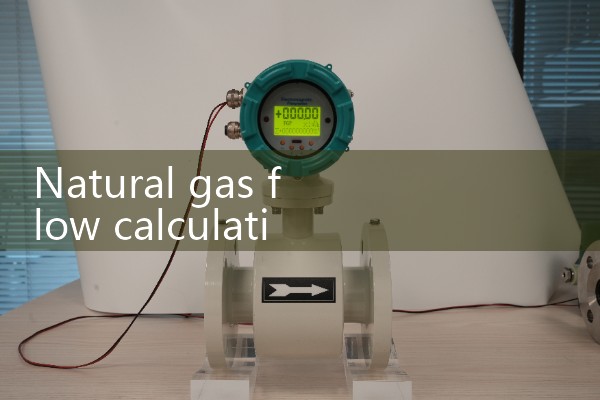
III. Selection and Use Constraints 1 Flow range constraint: It is necessary to ensure that the actual working flow rate is within the optimal range ratio range of the selected flow meter (usually 10%~100% of the rated flow rate), in order to avoid accuracy failure at low flow rates; 2. Medium adaptation constraints: Anhydrous methanol should avoid electromagnetic flow meters and use instruments such as vortex street and Coriolis mass flow meters that are adapted to non-conductive media. The corresponding size range should be adjusted according to the type of flow meter; 3. Safety installation constraints: Methanol is a flammable chemical medium, and the installation of flow meters should be completed by personnel with chemical pipeline operation qualifications to avoid safety risks caused by medium leakage.
3. The reason why the larger the pressure, the greater the error in gas small flow measurement
The reason why the larger the pressure, the greater the error in gas small flow measurement is mainly related to the comprehensive monitoring effect of pressure on the sensitivity, accuracy, stability, and leakage of the flowmeter, as follows
1. Pressure changes affect gas density and viscosity, and reducing flowmeter sensitivity. Gas density and viscosity are key parameters for flowmeter
 Hot Blog
 Related AD