

『Purified water flow meter』Related information(clamp on meter|electromagnetic meter|venturi meterrotameter|orifice meter|ultrasonic flow meter|mass flow meter|coriolis mass flow meter|coriolis flow meter|magnetic flow meter|magmeter flow meter|magflow flow meter|mag meter flow meter|electromagnetic flow meter|vortex flow meter|turbine flow meter|thermal mass flow meter|thermal flow meter|rotameter flow meter)
1. The instruments of purified water equipment need to be calibrated. Pressure gauges, flow meters, thermometers, conductivity meters, and pH meters are the core instruments that must be calibrated regularly in purified water equipment. 1. Pressure gauge calibration is used to measure fluid pressure in pipelines to ensure safe operation of equipment. The necessity of calibration lies in the fact that pressure errors may cause equipment failures or safety accidents, and it is necessary to regularly use standard pressure sources to verify their accuracy. 2. Flow meter calibration monitors whether the water production meets the process requirements, and flow fluctuations directly affect production rhythm regulation. By comparing the actual flow rate of the trace light with the displayed data, the stable performance of the equipment can be ensured. 3. Calibration of the thermometer can change the separation efficiency of the reverse osmosis membrane due to changes in water temperature. The key to calibration is to avoid abnormal conductivity of the produced water caused by temperature deviation. Suggest cross validation with standard temperature probes
4. Conductivity meter calibration is a direct basis for determining water purity, and at least two standard solutions need to be used for calibration. For example, using solutions of 1413 μ S/cm and 147.7 μ S/cm to calibrate the range coverage of use
5. pH meter calibration For acid-base sensitive processes (such as preparation of injection water), a three-point calibration method (pH4.00/7.00/10.00 buffer solution) needs to be performed. The zero drift of glass electrodes can lead to misjudgment of process parameters.
2. What are the functions of each 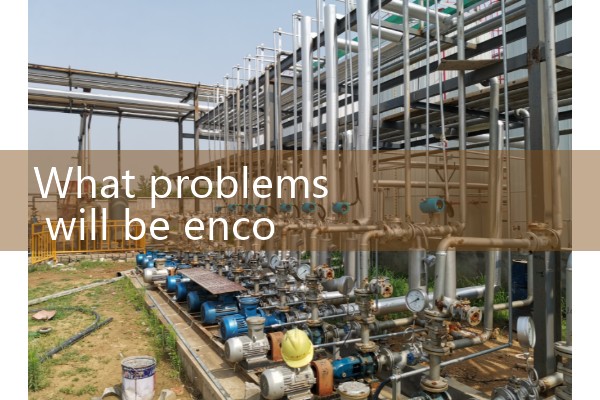
The functions and roles of each unit of the purified water equipment are as follows: Pre treatment equipment unit Raw water pressure pump: When the raw water is tap water, its pressure needs to be greater than the total resistance of the water flow of the quartz sand filter, activated carbon filter, fully automatic water softener, and fine filter, and it must meet the water pressure requirements for entering the reverse osmosis host.
. The function of the raw water booster pump is to achieve this water pressure requirement, ensuring that the water can smoothly pass through the subsequent treatment unit. Quartz sand filter: The turbidity of tap water is generally 3-5 degrees, and it contains a small amount of suspended solids and sediment. Quartz sand filters can reduce the turbidity of water to no more than 1 degree, preventing impurities from clogging the reverse osmosis membrane and ensuring the normal operation of subsequent treatment units. Activated carbon filter: Its main function is to remove free chlorine and organic matter from water. Free chlorine can oxidize reverse osmosis membranes, causing damage, while organic matter may affect water quality. In addition, the filter can also remove odors from water and improve the taste of drinking purified water. Fully automatic water softener: When the process water passes through the fully automatic sodium ion exchanger, what is the Ca2+concentration in the water? 、 Mg2? Cations will undergo ion exchange with Na? In the exchange agent, thereby reducing the hardness of water and softening the water quality, avoiding adverse effects of hard water on subsequent equipment. Fine filter: As the last filtration device before tap Hot Blog
 Related AD