

『Kunshan flowmeter』Related information(clamp on meter|electromagnetic meter|venturi meterrotameter|orifice meter|ultrasonic flow meter|mass flow meter|coriolis mass flow meter|coriolis flow meter|magnetic flow meter|magmeter flow meter|magflow flow meter|mag meter flow meter|electromagnetic flow meter|vortex flow meter|turbine flow meter|thermal mass flow meter|thermal flow meter|rotameter flow meter)
1. Can gold be found by disassembling the AF-E400 flowmeter?
Disassembling the AF-E400 flowmeter is likely to result in no gold being found. The AF-E400 flowmeter belongs to industrial flow measurement equipment, and commonly used industrial materials such as plastic casing, metal fittings, and electronic components are commonly used in conventional manufacturing. Gold, as a high cost precious gold pure component, is generally not used in the production process of ordinary industrial flow meters. Only a very small number of customized equipment with special material functional requirements may use gold related components. Such scenarios are extremely rare.
2. What are the specifications and models of the flowmeter?
There are several models available: SG-NZ-KD
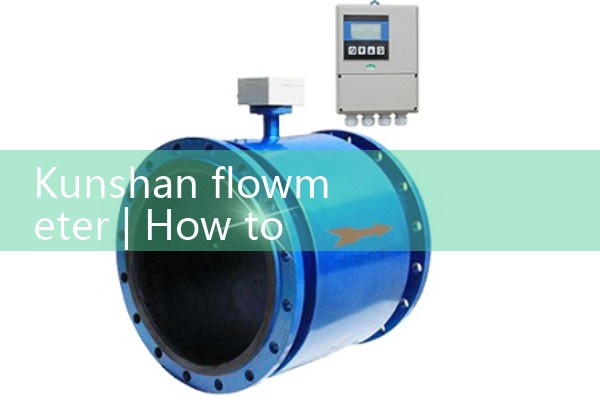
1, EXQ41W, ZXLDG, ZXGY.. A flowmeter is an instrument that indicates the measured flow rate and/or the total amount of fluid within a selected time interval. Simply put, it is an instrument used to measure fluid flow in pipelines or open channels. Flow meters are divided into differential pressure flow meters, rotor flow meters, throttling flow meters, narrow slit flow meters, volumetric flow meters, electromagnetic flow meters, ultrasonic flow meters, etc. Classified by medium: liquid flowmeter and gas flowmeter. Flow meter selection: Five aspects can be considered, including flow meter instrument performance, fluid characteristics, installation conditions, environmental conditions, and economic factors. The detailed factors in five aspects are as follows:
1. Instrument performance: accuracy, repeatability, linearity, range, flow range, signal output characteristics, response time, pressure loss, etc;
2、 In terms o
3、 In terms of installation conditions: pipeline layout direction, flow direction, length of straight pipe sections on the upstream and downstream sides of the detection component, pipeline diameter, maintenance space, power supply, grounding, auxiliary equipment (filters, dampers), installation, etc;
4、 In terms of environmental conditions: temperature, humidity, electromagnetic interference, safety, explosion prevention, pipeline vibration, etc;
5、 In terms of economic factors: instrument purchase cost, installation cost, operation cost, calibration cost, maintenance cost, instrument service life, spare parts, etc.
 Hot Blog
 Related AD