

『Building Insulation Efficiency: How A Heat Flow Meter Measures Thermal Resistance』Related information(clamp on meter|electromagnetic meter|venturi meterrotameter|orifice meter|ultrasonic flow meter|mass flow meter|coriolis mass flow meter|coriolis flow meter|magnetic flow meter|magmeter flow meter|magflow flow meter|mag meter flow meter|electromagnetic flow meter|vortex flow meter|turbine flow meter|thermal mass flow meter|thermal flow meter|rotameter flow meter)
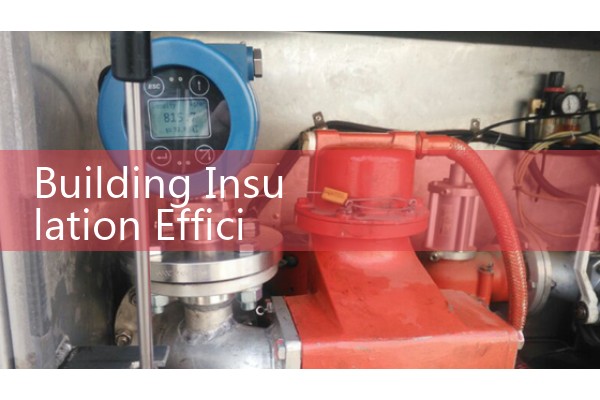
Building Insulation Efficiency: How A Heat Flow Meter Measures Thermal Resistance
Quick Answer: A heat flow meter measures the heat flux density (W/m²) passing through a wall or roof. Combine that reading with surface temperature measurements, and you directly calculate the material’s thermal resistance R‑value (m²·K/W). Silver Automation Instruments supports industrial energy audits with thermal mass flow meters and paperless recorders that connect insulation data to real fuel consumption.
What Exactly Is a Heat Flow Meter
In practice, a heat flow meter is a thin, low‑thermal‑resistance sensor that you mount on an interior wall surface with thermal paste. It contains a thermopile and a known thermal resistance layer. The sensor generates a small DC voltage proportional to the heat flux density q. A typical industrial model outputs a signal in the 0‑50 mV range. An external data logger or a paperless recorder reads this signal. You also need two PT100 surface probes to measure the wall’s inside and outside temperatures simultaneously. The sensor itself does not measure temperature. It only measures heat flow rate per square meter.
The Basic Physics: From Heat Flux to R‑Value
Fourier’s law in steady‑state conduction gives you the formula R = ΔT / q. ΔT is the temperature difference across the wall surface in °C or K. q is the heat flux density in W/m². If your wall shows q = 8 W/m² with ΔT = 12°C, the thermal resistance is 1.5 m²·K/W. The U‑value is simply 1/R, expressed in W/(m²·K). Most engineers skip a critical step. The heat flux signal drifts if the sensor’s internal resistance changes with humidity. We have seen this on customer sites in tropical coastal zones. A 6% drift in q can shift the calculated R‑value by more than 8%. Always check sensor calibration against a reference panel before a long‑term audit.
Why Industrial Facilities in Southeast Asia Care About Insulation
Cold storage plants in Indonesia, food processing halls in the Philippines, and chemical warehouses in Thailand all run large chillers and steam boilers. Insulation degradation on pipes and building envelopes raises fuel costs silently. A 30‑meter DN200 chilled water pipe with 50 mm of aging rock wool can lose 3.2 kW of cooling capacity. Over a year, that adds up. Plant managers ask us how to tie insulation performance to actual fuel flow. The answer lies in combining a heat flow meter audit with a reliable thermal mass flow meter on the gas supply line. You measure building envelope efficiency with the heat flux sensor, and you measure boiler natural gas consumption in kg/h with the thermal flow meter. The two data sets give you a payback calculation that the finance team approves.
How Silver Instruments Fits Into Building Energy Audits
Silver Automation Instruments does not manufacture heat flow meters. But we supply the flow instrumentation that makes an insulation audit actionable. Our thermal mass flow meter, model TMF‑100, measures gas or compressed air mass flow directly without separate pressure and temperature compensation. It handles pipe sizes from DN15 to DN200, outputs 4‑20 mA HART, and delivers accuracy of ±1% of reading. In a steam boiler setup, pair it with our SILVER‑PT pressure transmitter (0‑16 bar, 4‑20 mA, ATEX Zone 1 optional) and a PT100 insertion probe. The data goes into our VX series paperless recorder. The recorder accepts up to 12 analog input channels. You can log the heat flux signal from a third‑party heat flow meter alongside the gas mass flow, steam pressure, and supply temperature. The recorder stores data on an SD card and shows trends on a 5.6‑inch TFT screen. Because the recorder time‑stamps all channels, you see exactly how outside temperature affects gas consumption an
Real Example: Dairy Plant in Vietnam Checks Steam Boiler Efficiency and Wall Loss Together
Last year, an engineer at a dairy processing plant near Ho Chi Minh City asked us for a solution. The facility had a 4‑ton steam boiler running on natural gas, and a refrigerated packaging hall maintained at 4°C. The hall’s sandwich panel walls were seven years old. The maintenance team suspected insulation water absorption in the panels. With a rented heat flow meter, they measured heat fluxes on three walls. The worst section showed q = 14 W/m² with ΔT of 26°C, yielding an R‑value of only 1.86 m²·K/W, less than half the design value. On the boiler side, we installed a TMF‑100 thermal mass flow meter on the DN50 gas supply line. Gas demand averaged 38 kg/h at steady load. When the chiller load peaked in the afternoon, the gas flow climbed to 44 kg/h. The paperless recorder logged both gas flow and the calculated wall heat gain over 72 hours. The audit made the investment case clear. The plant replaced 600 square meters of wall panels and reduced weekday gas use by 9%. We quoted the TMF‑100 meter, the VX recorder, and a set of PT100 probes. We did not supply the heat flow meter, but we integrated its 0‑50 mV output into the recorder via a custom scaling script.
FAQ
What is the difference between a heat flow meter and a thermal mass flow meter? A heat flow meter measures heat flux through a solid surface in W/m². A thermal mass flow meter measures the mass flow rate of a gas in kg/h or Nm³/h based on the cooling effect of the flowing medium. The two instruments serve different roles in an energy audit. The heat flow meter quantifies envelope losses. The thermal mass flow meter quantifies the fuel or energy input.
Can Silver Instruments supply a complete insulation audit kit? We supply the flow instrumentation and data recording components. We do not stock heat flow meters, but we can recommend compatible third‑party brands with 4‑20 mA or mV output and help you integrate them with our VX series paperless recorder. We often ship the recorder pre‑configured for heat flux scaling if you provide the sensor calibration sheet.
Which flow meter should I use to measure steam boiler fuel consumption? For natural gas lines under 2 bar, a thermal mass flow meter like the TMF‑100 works well. For higher‑pressure gas or liquid fuels like diesel, an oval gear flow meter or a Coriolis mass flow meter gives better accuracy. Our Coriolis meter series measures mass flow, density, and temperature simultaneously on diesel and heavy fuel oil lines with viscosity up to 100 cP.
How do I record heat flow data long‑term without a PC on site? Use our paperless recorder. It accepts thermocouple, RTD, and 4‑20 mA inputs. You set the engineering range for the heat flux channel directly in the menu. The recorder writes data to a removable SD card. You can pull the card weekly and import the CSV files into Excel.
Do I need special certification for flow meters in an oil refinery or chemical plant energy audit? Yes. In Zone 1 or Zone 2 areas, you need an ATEX or IECEx certified flow meter and transmitter. Our TMF‑100 thermal meter comes with Ex db IIC T4 Gb certification as an option. The pressure transmitters also carry ATEX Zone 1 ratings. Always specify the hazardous area classification when requesting a quote.
Send us your gas type, pressure (bar), temperature (°C), pipe size (DN), and the required flow range. Our engineers will propose a thermal mass flow meter or Coriolis meter that fits your energy audit. Include any heat flux sensor signal range if you need recorder integration. Email the details to [email protected].
 Hot Blog
 Related AD