

『Mass Air Flow Meter: Automotive and Industrial Gas Sensors』Related information(clamp on meter|electromagnetic meter|venturi meterrotameter|orifice meter|ultrasonic flow meter|mass flow meter|coriolis mass flow meter|coriolis flow meter|magnetic flow meter|magmeter flow meter|magflow flow meter|mag meter flow meter|electromagnetic flow meter|vortex flow meter|turbine flow meter|thermal mass flow meter|thermal flow meter|rotameter flow meter)
Mass Air Flow Meter: Automotive and Industrial Gas Sensors
Quick Answer: A mass air flow meter measures gas mass directly in kg/h or Nm³/h. Silver Instruments supplies industrial thermal mass flow meters for air, natural gas, biogas, and flue gas. No extra temperature or pressure compensation is needed. Send us your gas type, pressure (bar), temperature (°C), pipe size (DN), and flow range for a quote.
What a Thermal Mass Flow Meter Does
Industrial plants need accurate gas flow data for process control, billing, and emissions monitoring. A thermal mass flow meter uses the principle of heat dissipation. One sensor is heated, the other measures the gas temperature. As gas flows past the heated sensor, it cools down. The meter calculates mass flow from the cooling effect. This method works directly on the molecular level. So you get a mass flow reading without density correction.
In automotive engines, a similar sensor sits inside the intake tract. The MAF sensor tells the ECU how much air enters. But in a process plant you need an industrial version. Silver Instruments offers inline and insertion thermal mass flow meters for pipe diameters from DN15 to DN200. Wetted materials include 316L stainless steel. For corrosive gases we use Hastelloy C or PTFE lining.
Key Specifications Engineers Ask About
Most engineers ask about accuracy and turndown first. Our thermal mass flow meters deliver +/-1.5% of reading accuracy and a 100:1 turndown. Output signals include 4-20 mA HART, RS485 Modbus, and pulse. The display shows mass flow, totalised flow, and gas temperature. A built-in PT100 monitors the reference sensor. Power supply is 24 V DC. Available certifications cover ATEX Zone 1, IECEx, and SIL 2 functional safety for gas custody transfer.
In practice, you connect the transmitter via a 1.5 inch NPT or flange process connection. The insertion probe reaches the pipe centre line. For small lines we use inline bodies with G or NPT threads. Our factory in China ships units to Saudi Arabia, Vietnam, Nigeria, Chile, and Australia every month. Last month a water treatment plant in Mexico ordered 12 units for aeration air monitoring. They needed DN50 meters, 0 to 150 Nm³/h, 3 bar, 40 °C, with HART output. We delivered within 3 weeks.
Why Skip Temperature and Pressure Compensation
Differential pressure flow meters need external pressure transmitters and a flow computer. Volumetric gas meters require compensation to convert actual volume to standard or normal conditions. A thermal mass meter reads mass flow directly. Because the sensor responds to the cooling effect of gas molecules, it inherently measures mass. You save on instrumentation, wiring, and engineering time. The simplified setup also cuts commissioning checks.
Here is the thing. Many biogas or flare gas applications have changing gas composition. Thermal sensors can be calibrated for a known gas mix. For example, a landfill site in Thailand monitors raw biogas with 60% CH4 and 40% CO2. We calibrate the meter with that specific composition. The result is a true mass flow reading. If the gas mix drifts slightly, the error stays within acceptable limits. Experience shows that most biogas plants get reliable data for years with no zero drift.
Where We See These Meters Used Every Day
Typical industries include oil and gas, chemical processing, food and beverage, and power generation. In a brewery, we measure CO2 gas flow for fermentation tanks. In a steel plant, we monitor natural gas feeding the reheat furnace. A paint manufacturer in Indon
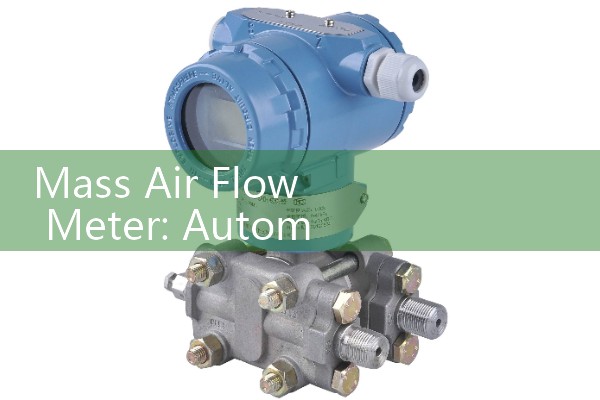
Another common request comes from compressed air system audits. Plant managers want to measure the air consumption of different production lines. Our meters can be installed into existing pipes without cutting. A hot-tap insertion tool lets you mount under pressure. That is a big advantage. A marine engineer in Australia ordered our meter for nitrogen generation system flow monitoring on a LNG carrier. In every case you get a 4-20 mA signal straight to the PLC.
We also supply meters for flue gas monitoring. Emissions stacks need CO2 and air flow data for CEMS reporting. The probe handles gas up to 200 °C in standard configuration. With a high-temperature option you can measure up to 400 °C. The integration time is fast, usually under 0.5 seconds.
Ordering Data You Need to Provide
To get a price quickly, prepare these details. Gas type or composition (e.g. natural gas, biogas with CH4: 65%, CO2: 35%). Operating pressure in bar or psi. Temperature in °C. Pipe inner diameter in DN or inches. Required flow range in kg/h, Nm³/h, or SCFM. Pipe material and wall thickness. Process connection type (flange, NPT, or wafer). Hazardous area classification if any (Zone 1, Zone 2, Div 1). Output and communication protocol (4-20 mA HART, Modbus, etc.).
Send the data to [email protected]. Our application team will reply with a datasheet and price within 24 hours. You can also reach us on WhatsApp at 86-135-12131526 or call +86-135-1213-1526. WeChat ID: +86 13512131526. We are Silver Automation Instruments from China, serving over 50 countries.
Frequently Asked Questions
Q: Can Silver Instruments thermal mass flow meter measure wet gas?
A: The standard sensor is sensitive to moisture droplets. If wet gas is present you need a sample conditioning system or a water trap upstream. For saturated gas like digester gas we recommend installing the meter after a gas scrubber.
Q: What is the minimum gas pressure required?
A: Thermal mass flow meters operate at very low pressure. You can measure gas at 0.1 bar up to 40 bar. The sensor does not need a minimum density. Just make sure there is enough gas velocity to generate a measurable cooling effect, usually above 0.1 m/s.
Q: How often does the meter need recalibration?
A: We recommend a calibration check every 24 months. Silver Instruments provides traceable calibration certificates. No zero trim is needed because the reference sensor tracks ambient temperature changes automatically.
Q: Can I use one meter for two different gases?
A: Yes, if you switch between two known gases like nitrogen and air you can store two calibration curves in the transmitter. The change is done through the local display or Modbus. For varying gas mixtures you need a gas chromatograph to update the meter input.
Q: Do you have local distributors in my country?
A: We work with partners in Southeast Asia, the Middle East, Africa, and Latin America. If you need local support, send us your location and we will connect you to the nearest representative. Direct factory purchases are also welcome with competitive pricing.
For more industrial gas flow meter options visit our website at https://flow-meter.com.au. We offer Coriolis, electromagnetic, vortex, and oval gear meters for liquid applications as well.
 Hot Blog
 Related AD