

『Boat Fuel Flow Meter: Real-Time Fuel Economy Diagnostic Tools』Related information(clamp on meter|electromagnetic meter|venturi meterrotameter|orifice meter|ultrasonic flow meter|mass flow meter|coriolis mass flow meter|coriolis flow meter|magnetic flow meter|magmeter flow meter|magflow flow meter|mag meter flow meter|electromagnetic flow meter|vortex flow meter|turbine flow meter|thermal mass flow meter|thermal flow meter|rotameter flow meter)
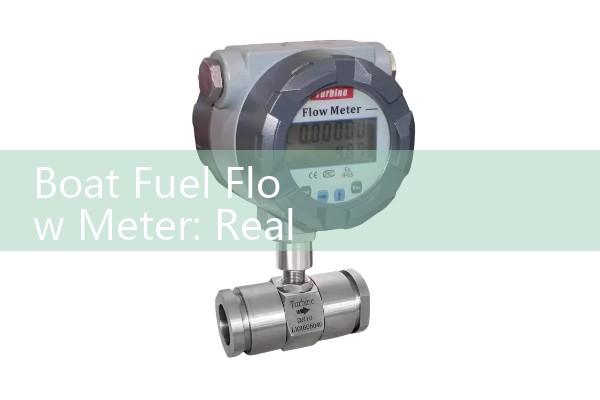
Boat Fuel Flow Meter: Real-Time Fuel Economy Diagnostic Tools
Quick Answer: A dedicated boat fuel flow meter gives you real-time fuel burn data that the engine ECU cannot match. Silver Automation Instruments oval gear and Coriolis meters measure actual consumption in liters per hour or kg/h, not an estimate from injector timing. Fishing vessels, crew boats, and yachts across Australia, Malaysia, and West Africa use these tools to cut fuel costs by 10 to 25 percent on long runs.
1. Why Real-Time Fuel Economy Data Matters at Sea
A small change in throttle position often hides a large jump in fuel burn. Engine panel gauges show speed and RPM. They do not show liters per nautical mile. A boat fuel flow meter closes that gap.
Operators we talk to in Indonesia and Tanzania report that after installing a flow meter, they find the true fuel economy sweet spot. One trawler skipper in Vietnam discovered his best cruise RPM was 100 RPM lower than he had set for five years. Fuel saving reached 18 percent within three trips.
Real-time fuel economy diagnostics also help detect hull fouling, propeller damage, and fuel theft. If your consumption jumps 15 percent without a load change, something is wrong. The flow meter gives you that early warning.
2. How a Boat Fuel Flow Meter Works in a Marine Diesel or Petrol System
Most marine engines use a fuel supply line and a return line. Unused fuel goes back to the tank, so a single meter on the supply line reads too high. The correct method uses two positive displacement meters, one on the supply and one on the return, or a dedicated twin-chamber flow meter. The net fuel consumed equals supply minus return.
Silver Instruments oval gear flow meters are ideal for this net fuel calculation. Oval gear technology counts every pocket of fuel that passes through the measuring chamber. It works with diesel, biodiesel blends, and even gasoline. Viscosity changes from cold start to full temperature have minimal impact because the gears seal with a small film of fuel.
For boats that need mass-based measurement, a Coriolis mass flow meter reads fuel in kg/h directly. This approach ignores fuel density changes caused by temperature swings from a hot engine room to a cold hull. That data matters for engine efficiency calculations and emissions reporting.
3. Key Parameters That Decide Meter Selection for Boats
Flow range. A 200 HP marine diesel at cruise might burn 20 to 50 liters per hour. Idle consumption can drop to 2 liters per hour. The meter must handle that 25:1 turndown ratio without losing accuracy. We size oval gear meters from DN6 up to DN50 to cover 0.5 L/h to 800 L/h.
Fuel viscosity. Marine diesel oil typically runs 2 to 6 cSt at 40 degrees Celsius. Heavy fuel oil reaches 30 cSt or higher. Oval gear meters work naturally across this range with a repeatability better than 0.03 percent. Turbine meters drift when viscosity changes, so we avoid them on boat fuel lines.
Pressure and temperature. Engine supply circuits often run at 3 to 7 bar. Fuel return lines can see sudden pressure spikes. Silver Instruments oval gear meters handle operating pressures up to 40 bar and media temperatures from minus 20 degrees Celsius to 80 degrees Celsius. For engine rooms in Gulf countries, we add PT100 temperature sensors to correct volume to a standard reference for fuel economy logs.
Output signals. Most boat fuel flow meters output a frequency pulse or a 4-20 mA HART signal. The pulse signal connects directly to a NMEA 2000 gateway or a small PLC display. 4-20 mA HART lets the crew read flow rate and total consumption on a bridge panel. We also supply battery-powered oval gear meters with a local LCD for smaller fishing boats t
4. Silver Instruments Meter Models That Fit Boat Fuel Systems
Oval Gear Flow Meter - OG Series. DN10 to DN50, stainless steel or aluminum body, accuracy plus minus 0.5 percent of reading. Suitable for diesel, biodiesel, kerosene. Pulse output or 4-20 mA HART. ATEX Zone 1 version available for vessels carrying flammable cargo. A fishing company in Nigeria runs ten OG-25 meters on their trawlers and reports zero mechanical failure in two years.
Coriolis Mass Flow Meter - SC Series. DN6 to DN25, measures mass flow directly in kg/h. Accuracy plus minus 0.1 percent of rate, density and temperature output included. This meter eliminates the need for two meters on supply and return lines because it can be installed on a dedicated day tank feed where return fuel does not interfere. A yacht refit yard in Brisbane uses the SC-10 for precision fuel trials before vessel handover.
5. A Real Case from a Southeast Asian Fleet
Last year we worked with a fishing fleet manager in Kuantan, Malaysia. He runs 15 deep-sea trawlers with single 400 HP Yanmar engines. Fuel was 60 percent of his operating cost. Engine hour meters told him when to service, but he had no real-time consumption data per trip.
We supplied OG-20 oval gear meters with 4-20 mA HART output for supply and return lines. A simple PLC data logger recorded net fuel every minute. After four months, the data showed that three skippers consistently burned 22 percent more fuel on the same route. The reason was running at 1850 RPM instead of 1700 RPM against the current. With coaching and a real-time fuel economy display on the dash, the fleet cut annual diesel cost by 9.4 percent. The meter payback was under nine weeks.
6. FAQ: Boat Fuel Flow Meter and Real-Time Fuel Economy
Q1: Do I need two flow meters for a diesel engine with a return line?
Yes. A supply-only meter overstates consumption by the amount of fuel sent back to the tank. Use two oval gear meters and a subtraction module, or select a Coriolis meter on a main feed without return flow. Many captains miss this detail on the first installation.
Q2: Can the same meter work with both diesel and gasoline?
Oval gear meters handle both fuels. For gasoline, specify Viton seals instead of standard NBR to resist the aromatics. Silver Instruments ships meters with Viton as a standard option for petrol boats.
Q3: How does real-time fuel economy data help reduce operating cost?
It turns fuel consumption from a monthly invoice into a live number you can manage each minute. Crews adjust trim, throttle, and route based on L/h displayed, not gut feeling. Many operators report a 5 to 12 percent fuel reduction in the first quarter after installing a meter and a simple display.
Q4: Can the flow meter output talk to NMEA 2000 or engine monitors?
Yes. We provide pulse output that converts to NMEA 2000 through a gateway. The 4-20 mA HART signal connects to analog inputs on popular engine monitoring panels. We also offer an RS485 Modbus output for digital integration.
Q5: What information should I send to get the right fuel flow meter for my boat?
Send us your fuel type, maximum and minimum flow rates in L/h, pipe diameter (DN), operating pressure in bar, and required output signal. Our engineers will return a datasheet and a fixed price within one working day.
Get a specific quote for your boat fuel flow meter. Email [email protected] with your fuel details, flow range, and pipe size. You can also reach our technical team by phone at +86-135-1213-1526, WhatsApp 86-135-12131526, or WeChat +86 13512131526. We ship to Southeast Asia, Oceania, Latin America, Africa, and the Middle East daily.
 Hot News
 Related AD