

『Hydrogen Flow Meter: Mass Flow Solutions for Green Energy』Related information(clamp on meter|electromagnetic meter|venturi meterrotameter|orifice meter|ultrasonic flow meter|mass flow meter|coriolis mass flow meter|coriolis flow meter|magnetic flow meter|magmeter flow meter|magflow flow meter|mag meter flow meter|electromagnetic flow meter|vortex flow meter|turbine flow meter|thermal mass flow meter|thermal flow meter|rotameter flow meter)
Hydrogen Flow Meter: Mass Flow Solutions for Green Energy
Quick Answer: Hydrogen applications need direct mass flow measurement, not volumetric. A Coriolis meter gives you true mass flow in kg/h or g/s no matter how pressure or temperature swing. Silver Instruments SIL-CMF series handles line pressures up to 350 bar, fits DN3 to DN80, and delivers 0.1% of rate accuracy for electrolyzers, refueling stations, and fuel cell test stands.
Why Mass Flow, Not Volumetric, for Hydrogen
Hydrogen density shifts a lot with small changes in pressure and temperature. A vortex meter or a turbine meter reads volume, then guesses density by measuring P and T. That guesswork can add up to 2 percent error at 700 bar refueling. Because hydrogen is so light, a volumetric approach simply cannot stay stable.
Mass flow meters skip all that. They measure directly in kg/h or g/s. This is what you need for custody transfer, for hydrogen production reporting, and for any process where energy content matters. In practice, most engineers who run green hydrogen plants choose Coriolis first. Thermal mass meters work too, but only on very clean, dry, low-flow gas streams.
Coriolis vs. Thermal Mass for Hydrogen Service
Heres the thing. Coriolis meters give you mass flow, density, and temperature from one device. You also get a real-time density reading which helps you detect gas purity issues, for example if nitrogen purge gets into a hydrogen line.
Thermal mass meters are simpler and cheaper for pipes up to about DN25. They work well if your pressure is low, your gas is dry, and you do not need density. One customer in Thailand uses a Silver Instruments thermal mass meter on a hydrogen-blending skid for cooking gas. Works fine. But for high-pressure trailer filling or an electrolyzer output header, a Coriolis meter is the safer bet.
Silver Instruments supplies both. And we do not push one technology when the other fits the budget.
SIL-CMF Coriolis Meter in Hydrogen Refueling Stations
A hydrogen refueling station needs accurate mass flow at 350 or 700 bar. The SIL-CMF series handles this with Hastelloy C-22 wetted parts and a secondary pressure containment rated up to 1000 bar burst. We have tested DN6 meter runs that measure 0.2 to 120 kg/h hydrogen with repeatability inside 0.05 percent.
Output options include 4-20 mA HART, Modbus RTU, and frequency. You can pull mass flow, density, and temperature to a PLC or a flow computer in real time. ATEX Zone 1 and IECEx certification comes standard. Because hydrogen stations are often unattended, we build the transmitter with a rugged IP67 enclosure and no glass window. Less chance of leak points.
Mass Flow for Green Hydrogen Electrolyzers
An electrolyzer stack produces hydrogen and oxygen, often saturated with water vapor. A Coriolis meter does not care if the gas is wet, as long as you stay above the de
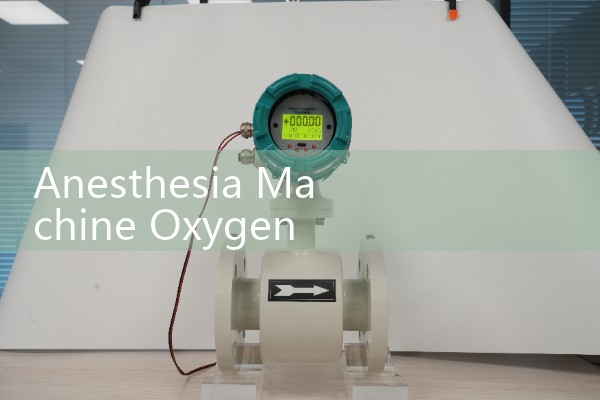
Silver Instruments provided a SIL-CMF015 with DN15 connections, PT100 temperature compensation, and a local display showing kg/h and totalized kg. The customer used the density signal to confirm gas dryness before it hit the dryer unit. That single meter replaced a separate flow element, temperature transmitter, and density gauge.
Communication, DAQ, and Calibration Traceability
All SIL-CMF hydrogen meters ship with a calibration certificate traceable to national standards. We calibrate on air and apply a hydrogen correction factor validated by a third-party lab. Most engineers skip this part, but it matters: a Coriolis meter calibrated on water or oil does not automatically read hydrogen right. You need a gas-specific factory trim.
For data acquisition, use the onboard Modbus to connect straight to your SCADA. You can log mass flow, density, and temperature at 10 Hz. No extra converter needed. If you have an older PLC with only a 4-20 mA input, assign one channel to mass flow and a second one to density. Simple two-wire loop power keeps wiring tidy.
Frequently Asked Questions on Hydrogen Flow Measurement
What flow range can a small Coriolis meter handle for hydrogen?
A DN6 meter typically covers 0.2 to 120 kg/h hydrogen. A DN15 meter goes from about 1 to 800 kg/h. Send us your minimum and maximum flow, and we will pick the right tube size.
Does a Coriolis meter drop a lot of pressure?
At rated flow, pressure drop is usually below 0.3 bar for hydrogen gas. We can provide a pressure-drop curve against your operating density. Just share your pressure and temperature.
Can I use a thermal mass flow meter for wet hydrogen from an electrolyzer?
It is risky. Moisture slows down the sensor response. A Coriolis meter with a drain or knockout pot upstream handles saturated gas much better.
What material and seals work with hydrogen?
We specify 316L or Hastelloy for the wetted tubes and metal-to-metal seals or FFKM O-rings. No Buna-N or Viton where hydrogen embrittlement is a concern.
How long does delivery take for a hydrogen Coriolis meter?
Standard models ship in 2-3 weeks. Explosion-proof certified units with ATEX/IECEx may need 4-5 weeks. Rush orders are possible.
Ready to size a meter? Send us your pressure in bar, temperature in °C, pipe size in DN, and the flow range in kg/h or g/s. You can reach our engineers at [email protected] or call +86-135-1213-1526. We commonly ship to Southeast Asia, Australia, the Middle East, Africa, and Latin America. Ask for a quote on the SIL-CMF hydrogen Coriolis flow meter.
 Hot News
 Related AD