
gpi electronic fuel meter

P41000D1 Product | BRIGHT Research Interpretation|

Price:¥1.00Quantity:9999

Market Price:¥1.00Reduced Price:¥1.00

Effevtive Time:6/14/2026

Sale Address:SilverProduction Address:Silver automation instruments

Keywords:P41000D1 Product | BRIGHT Research Interpretation|

Phone:QQ:Click:Wechat: +86 13512131526

Company:SILVER AUTOMATION INSTRUMENTS

『gpi electronic fuel meter』Related information(clamp on meter|electromagnetic meter|venturi meterrotameter|orifice meter|ultrasonic flow meter|mass flow meter|coriolis mass flow meter|coriolis flow meter|magnetic flow meter|magmeter flow meter|magflow flow meter|mag meter flow meter|electromagnetic flow meter|vortex flow meter|turbine flow meter|thermal mass flow meter|thermal flow meter|rotameter flow meter)

What is the specific difference between air-fuel ratio and compression ratio? What does the car compression ratio of 10.1 to 1 mean?

2. P41000D1 product

3. BRIGHT research interpretation

On April 7, 2015, the BRIGHT research results led by Academician Han Yaling were published in the JAMA journal.. The results of this study showed that compared with unfractionated heparin or heparin combined with tirofiban, the perioperative use of bivalirudin emergency percutaneous coronary intervention (PCI) for acute myocardial infarction (AMI) can reduce the risk of bleeding without increasing the risk of stent thrombosis, overcoming the increased risk of stent thrombosis in the HEAT-PPCI study. Academician Han reported the results of the BRIGHT study in CIT2014 and TCT2014, which quickly attracted the attention of cardiovascular disease experts from various countries. Medsacpe immediately published a news report titled "Light From BRIGHT: More Fuel for Bivalirudin Heparin Debate". The BRIGHT study was also named one of the "6 most important studies in the field of global cardiac intervention" in 2014. As one of the 82 centers participating in the BRIGHT study in China, our center selected a total of 30 patients with acute myocardial infarction (AMI) who were scheduled for emergency PCI. This article will interpret the research on BRIGHT. Background of Jia Shaobins research in the Department of Cardiovascular Medicine at Ningxia Medical University General Hospital: There is currently significant controversy over whether the direct thrombin inhibitor bivalirudin can replace unfractionated heparin in perioperative anticoagulant therapy during PCI. In recent years, studies such as HORIZONS-AMI and EUROMA
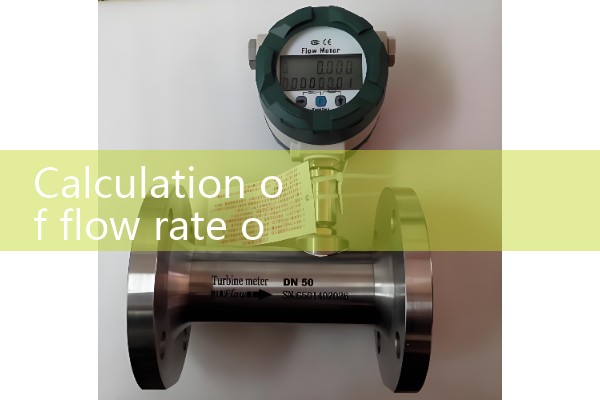
gpi electronic fuel meter
X have shown that compared with heparin+IIb/IIIa receptor antagonists (GPI), the use of bivalirudin during the perioperative period of AMI direct PCI can significantly reduce bleeding, net clinical adverse events (NACE), and all-cause mortality risk, but increase the risk of acute stent thrombosis; In the HEAT-PPCI study, compared with the use of heparin alone, bivalirudin did not reduce bleeding but increased ischemic events, with heparin being superior to bivalirudin. So, the superiority or inferiority of bivalirudin and heparin remains uncertain. To investigate the efficacy and safety of using domestically produced bivalirudin during the perioperative period of direct PCI in Chinese AMI patients, Academician Han conducted an RCT study with significant clinical significance. Study design: From August 2012 to June 2013, the BRIGHT study randomly selected 2194 patients who were diagnosed as AMI and planned to undergo emergency PCI in a heart center with more than 50 cases of direct PCI in 82 years in Chinese Mainland, using three different anticoagulant strategies, namely, bivaludine (preoperative pellet injection combined with postoperative pump), heparin alone and heparin combined with tirofiban. The primary endpoint is net clinical adverse events (NACE) at 30 days, including all-cause mortality, re infarction, ischemia driven target vessel reconstruction, stroke, and bleeding. The safety endpoint is the incidence of stent thrombosis at 30 days and 1 year. Research results: The incidence of NACE (including all-cause death, recurrent infarction, emergency target vessel reconstruction, stroke, and any bleeding) in the bivalirudin group was significantly higher than the other two groups at 30 days after surgery (8.8%, 13.

『SILVER Official Website SERVICE』

Copyright2026SILVER E-Commerce
+86 15365082610