

『Chrome Flow Meter: High-Aesthetic Loop Accessories for Desktop Modding Rigs』Related information(clamp on meter|electromagnetic meter|venturi meterrotameter|orifice meter|ultrasonic flow meter|mass flow meter|coriolis mass flow meter|coriolis flow meter|magnetic flow meter|magmeter flow meter|magflow flow meter|mag meter flow meter|electromagnetic flow meter|vortex flow meter|turbine flow meter|thermal mass flow meter|thermal flow meter|rotameter flow meter)
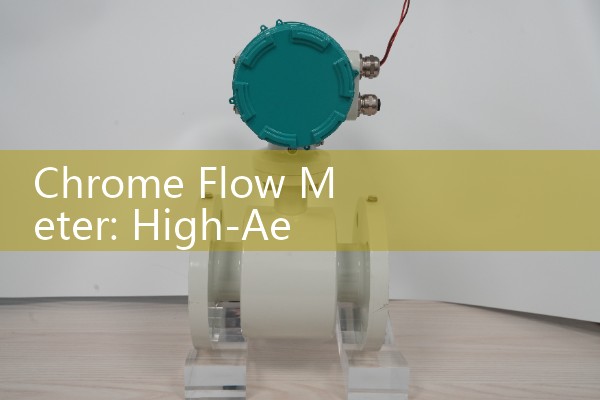
Chrome Flow Meter: High-Aesthetic Loop Accessories for Desktop Modding Rigs
Quick Answer: A chrome flow meter adds live coolant flow data and a polished metal detail to a desktop water cooling loop. Rig builders use it to spot pump degradation, filter blockage, or kinked tubing before component temperatures rise. Silver Instruments supplies DN10 and DN15 metal flow meters with pulse or 4-20 mA outputs for small loops and test benches.
Most desktop loops run without flow verification. A blocked jet plate or a hard bend can drop flow from 4 L/min to 1 L/min while the coolant temperature still looks normal for the first hour. A chrome flow meter placed after the pump shows the real value. This matters because hardline acrylic tube builds with several 90 degree fittings can lose 20 to 40 percent of pump head. We have seen this on customer test benches in Singapore and Vietnam.
Typical Flow Ranges for Small Cooling Loops
D5 and DDC pump loops operate between 0.5 and 8 L/min in most cases. A DN10 meter covers this range. A DN15 meter adds less pressure drop and suits external radiator arrays or dual pump setups. Flow below 0.2 L/min is often unstable for oval gear meters. Thermal mass sensors read lower but cost more. Most builders need either a local needle display or a pulse signal to a monitoring screen.
Sensor Outputs and Display Options
Silver Instruments offers two signal types for chrome flow meters. A pulse output works with fan controllers and custom monitoring displays. A 4-20 mA output connects to industrial panel recorders or PLC test stations. For a standalone look, a mechanical needle display with a chrome bezel requires no separate power supply. Pulse and 4-20 mA versions run from 5 to 24 V DC for pulse and 12 to 24 V DC for loop powered analog.
Chrome Plating and Build Quality
The meter body sits in the visible part of the case. Plastic bodies can discolor after one year with UV lighting and glycol coolants. Chrome plated brass or stainless steel keeps a stable finish. The plating is not only cosmetic. It protects the body from galvanic corrosion when mixed metals share the same loop. A copper radiator, nickel plated water block, and chrome fittings are a common combination. We supply polished chrome over brass for cost sensitive builds and 316 stainless steel for longer service life.
Installation Position and Orientation
Place the chrome flow meter after the pump and before the first hot component. This gives the highest pressure and the most stable reading. Mount the meter horizontally with the dial facing up if possible. Air bubbles collect at the top of vertical runs and cause reading jumps. A short straight run of 50 mm before and after the meter helps accuracy. Most D5 pump loops can fit a 45 mm long meter without layout changes. An all metal body also acts as a heavy support point for rigid tubing.
Fluid Compatibility and Temperature Limits
Use compatible coolant mixtures only. Chrome plated brass meters work with distilled water, ethylene glycol up to 30 percent, and propylene glycol coolants. Do not use ammonia based coolant or pure alcohol. Fluids with high particulate can jam an oval gear meter. A 200 micron filter before the meter solves this. Temperature limit for chrome plated brass is 70 degrees Celsius continuous. Stainless steel handles up to 100 degrees Celsius. Mos
Compact Dimensions for ATX and Small Form Factor Builds
A DN10 chrome flow meter from Silver Instruments is about 40 mm long with G1/8 or G1/4 threads. The body outer diameter is 22 mm. This fits between a GPU block and a distribution plate without extra offset fittings. A 30 mm long version is available on request for small ITX builds. Pressure loss is below 0.05 bar at 2 L/min. This is negligible for a DDC pump running at 30 percent PWM.
Customer Cases from Desktop Integrators
Last year a water cooling kit builder in Vietnam ordered 50 chrome flow meters with pulse output for their high end line. They used a clear PMMA reservoir, satin black tubing, and chrome fittings. The meters matched the chrome plug sensor ports. Another customer in Chile tested a stainless steel version with 4-20 mA output on a server rack cooling loop. He needed remote monitoring through a PLC. Both customers wanted a flow meter that does not look like a lab instrument.
Ordering Data You Should Prepare
To get a quote from Silver Instruments, send us the coolant type, the flow range in liters per minute, the tube inner diameter or fitting thread, and the output signal you need. A common request is chrome plated brass, DN10, G1/4 threads, 0.5 to 5 L/min, pulse output. This takes about one working day for a quote. If you are unsure about pressure drop or chemical compatibility, include the pump type and expected coolant temperature.
Frequently Asked Questions
Q: Does a chrome flow meter restrict flow in a small loop?
A: A DN10 chrome flow meter in a D5 loop adds less than 0.05 bar pressure drop at 2 L/min. This is not enough to change component temperatures. Most builders do not see a coolant temperature rise after installation.
Q: Can I use this flow meter with opaque or colored coolants?
A: A mechanical needle or pulse output meter works with opaque coolants. The moving element in an oval gear meter is wetted by the fluid and works with colored UV pre mixes. Do not use fluids with suspended metal particles.
Q: Which thread type should I specify for a custom loop?
A: Desktop water cooling parts usually use G1/4 BSPP threads. Some compact pumps and radiators use G1/8. Silver Instruments can supply either thread on DN10 and DN15 meters. State the thread standard in your inquiry.
Q: How does the flow meter send data to a fan controller or monitoring display?
A: Pulse output sends one pulse per rotation or per unit volume. Many high end fan controllers accept tachometer or flow pulse inputs. A 4-20 mA output connects to an industrial panel meter or PLC analog input. The loop powered 4-20 mA version only needs two wires.
Q: Is a chrome flow meter compatible with mixed metal loops?
A: Yes. The chrome plated brass body prevents direct contact between copper and nickel or aluminum. Use distilled water with a proper corrosion inhibitor. Do not run a silver coil directly on aluminum without an inhibitor, as this is a separate galvanic risk.
For a price or delivery estimate, contact Silver Automation Instruments. Tel: +86-25-68650347. WhatsApp: +86-25-52155837. WeChat: +86 15365082610. We ship to Southeast Asia, Oceania, Latin America, Africa, and the Middle East. Small trial orders are welcome for desktop integrators.
 Hot News
 Related AD